

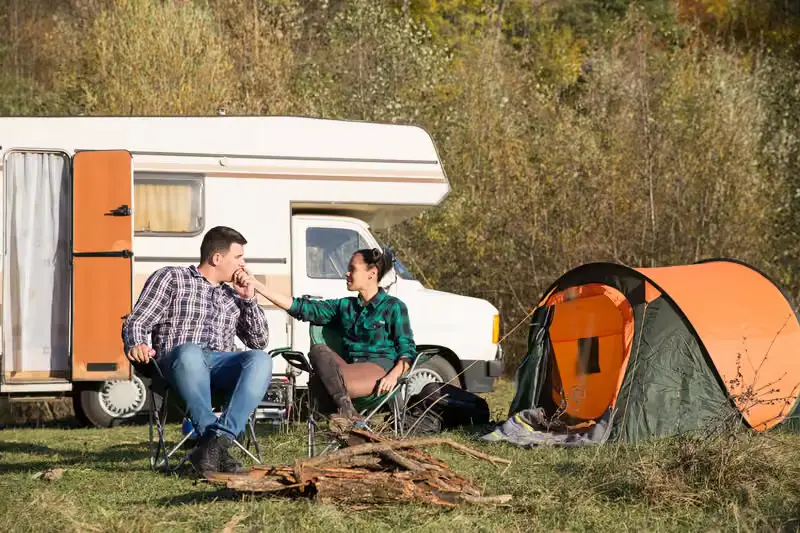
Camping offers an opportunity to escape busy routines, explore natural surroundings, and experience destinations at a different pace. However, not every camping experience looks the same. Some travelers prefer the convenience of a recreational vehicle (RV), while others enjoy the simplicity of sleeping in a tent. Both approaches provide access to outdoor adventures, but they create very different travel experiences.
Motorhome and camping RV vs tent comparisons usually focus on comfort, expenses, mobility, and equipment. An RV combines transportation and accommodation in one vehicle. Tent camping relies on portable shelter and separate camping equipment. Each option has advantages and limitations that become more noticeable during longer journeys.
The right choice depends on personal priorities, travel distance, group size, available budget, and destination. Understanding these differences helps travelers avoid unnecessary expenses and prepare for a more enjoyable holiday. It also makes it easier to choose an approach that matches the type of outdoor experience they want.
Understanding Motorhome Travel and Traditional Tent Camping
Motorhome travel involves using a vehicle designed to provide both transportation and living facilities. Depending on its size and layout, an RV may include sleeping areas, a kitchen, a refrigerator, storage compartments, heating, and a bathroom. Some models offer extensive residential features, while smaller campervans provide more basic facilities.
The main advantage is convenience. Travelers can move between destinations without repeatedly packing and unpacking their accommodation. Their essential belongings remain inside the vehicle, making multi-stop journeys easier to organize.
Traditional tent camping follows a different approach. Travelers carry a portable shelter, sleeping bags, sleeping mats, cooking equipment, and other supplies. They usually sleep at designated campsites, although some locations permit more remote camping.
Tent camping creates a closer connection with the surrounding environment. People can hear natural sounds, experience changing temperatures, and spend more time outdoors. It also offers flexibility because camping equipment can be transported separately from a large vehicle.
Neither option is limited to one type of traveler. RV camping can be simple or luxurious, while tent camping can range from basic backpacking to comfortable family arrangements with larger shelters and upgraded equipment.
Accommodation, Comfort, and Everyday Convenience
Comfort is one of the most noticeable differences between RV and tent camping. An RV provides an enclosed living area that protects travelers from many outdoor conditions. A tent offers shelter but requires more preparation to maintain comfortable sleeping and living arrangements.
Living Space and Sleeping Arrangements
Motorhomes generally provide structured sleeping areas. Depending on the model, travelers may have fixed beds, convertible dining spaces, or separate sleeping compartments. Mattresses and indoor temperature controls can make longer trips more comfortable.
Privacy is another consideration. Larger RVs may offer separate sleeping areas for parents and children. This arrangement can be useful when traveling with a family or several people. However, smaller campervans may have limited room, making storage and movement difficult when everyone is inside.
Tent camping requires more attention to sleeping equipment. A suitable tent, insulated sleeping mat, and weather-appropriate sleeping bag can improve comfort significantly. The ground surface also matters. Uneven or damp terrain can affect sleep quality, even when the tent itself is reliable.
Travelers should consider their tolerance for outdoor conditions. Some enjoy sleeping close to nature, while others prefer the protection and familiar facilities of an enclosed vehicle.
Cooking, Sanitation, and Daily Facilities
An RV may include a kitchen with a stove, refrigerator, sink, and storage cabinets. These facilities allow travelers to prepare meals without setting up a separate cooking area every time. Some motorhomes also have toilets and showers, although their size and water capacity vary.
Tent campers usually depend on portable stoves, coolers, and shared campsite facilities. This arrangement requires more organization. Food storage, washing dishes, and managing personal hygiene may involve additional walking and preparation.
However, tent campers can reduce equipment needs by selecting established campsites with suitable facilities. Similarly, RV travelers may prefer campsites with showers and laundry services instead of relying entirely on onboard systems.
The practical difference becomes more important during extended trips. Travelers who value predictable facilities may prefer an RV. Those comfortable with simpler arrangements may find tent camping more rewarding.
Financial Considerations: Comparing the Real Cost of Each Option
Cost is often a major factor when choosing between RV and tent camping. However, comparing only the purchase price of a vehicle with the cost of a tent does not provide a complete picture. Travelers should consider the total cost of ownership or use.
RV travel can involve substantial expenses. Purchasing a motorhome requires a significant initial investment. Renting one avoids ownership responsibilities but introduces daily rental charges. Additional expenses may include fuel, insurance, maintenance, registration, storage, and campsite fees.
Fuel consumption deserves particular attention. Larger vehicles are generally heavier and may use more fuel than ordinary cars. Long-distance journeys, mountain roads, and frequent stops can increase transportation expenses.
Tent camping usually has lower entry costs. A basic tent, sleeping equipment, portable cooking supplies, and outdoor clothing can provide everything needed for a short trip. Travelers who already own suitable equipment may only need to budget for transportation, food, and campsite charges.
However, equipment quality matters. Cheap tents or sleeping bags may need replacement sooner, especially with frequent use. Backpackers may also invest in lightweight equipment, which can cost more than standard camping products.
Group size changes the financial comparison. An RV rental may become more economical when several people share the cost. Tent camping can also be affordable for groups, but each additional person may require more shelter, sleeping equipment, and supplies.
Trip duration is another important factor. RV rental costs can become expensive over several weeks, but the vehicle may reduce separate accommodation expenses. Tent camping can remain economical, although frequent equipment setup and transportation costs should be considered.
A useful strategy is to calculate the complete cost for the expected trip. Include transportation, accommodation, equipment, meals, campsite charges, insurance, and a contingency allowance. This provides a more realistic comparison than looking at one expense in isolation.
Mobility, Destination Access, and Travel Flexibility
RV travel and tent camping offer different forms of mobility. A motorhome allows travelers to carry their accommodation between destinations. This makes it suitable for road trips involving several towns, national parks, or coastal locations.
Travelers can keep clothing, food, bedding, and other supplies inside the vehicle. They do not need to dismantle their sleeping arrangements every morning. This convenience can save time during multi-destination journeys.
However, vehicle size creates restrictions. Large motorhomes may struggle with narrow roads, low bridges, tight parking areas, and steep mountain routes. Some campsites also have limits on vehicle length or weight. Travelers must check these restrictions before choosing a route.
Tent camping offers greater flexibility when reaching locations that are unsuitable for large vehicles. Backpackers can carry their shelter along hiking trails and access remote areas on foot. Smaller camping setups can also make it easier to visit places with limited parking.
The trade-off is the physical effort required to transport equipment. Carrying a tent, sleeping gear, food, and cooking supplies can become tiring over long distances.
Destination selection should guide the decision. RVs work well for established road networks and campsites with suitable vehicle access. Tents are often more practical for hiking holidays, remote trails, and destinations where lightweight transportation is important.
Preparation, Equipment, and Practical Skills
Both camping styles require preparation, but the type of planning differs. RV travelers must understand the vehicle and its onboard systems. Tent campers need to organize portable equipment and prepare for direct exposure to outdoor conditions.
Planning an RV Journey
Before departure, travelers should inspect tires, brakes, lights, fluid levels, and essential vehicle systems. Rental customers should also understand insurance coverage, mileage restrictions, breakdown procedures, and return requirements.
Route planning must account for the motorhome’s height, width, length, and weight. Ordinary car navigation may not identify every restriction. A suitable navigation system and careful route checks can reduce the risk of reaching unsuitable roads.
Water and electricity management also require attention. Travelers should understand fresh water capacity, wastewater disposal, battery usage, and available charging facilities. Those planning to stay away from serviced campsites need a realistic estimate of how long onboard resources will last.
Preparing for a Tent Camping Trip
Tent campers should select equipment according to the season, destination, and number of people. A shelter should provide enough sleeping space while offering suitable protection against expected weather conditions.
Sleeping bags must match the temperature range. Sleeping mats provide insulation from cold ground and improve comfort. Portable cooking equipment should be suitable for the location and used according to safety instructions.
Travelers should practice pitching their tent before departure. This reduces setup problems at the campsite, particularly when arriving in poor weather or after sunset.
Organization is equally important. Separate bags for clothing, food, cooking supplies, and emergency equipment make it easier to locate essential items. Waterproof storage can protect valuable belongings from rain and damp conditions.
Weather Protection, Safety, and Environmental Impact
Weather conditions can influence the comfort and safety of both RV and tent camping. Motorhomes provide a stronger barrier against rain, wind, and cold temperatures. They may also include heating and air conditioning, depending on the model.
However, RVs are not automatically safe in every weather condition. Strong winds can affect high-sided vehicles, while flooding can make certain roads and campsites dangerous. Extreme heat may place additional pressure on cooling systems and electrical equipment.
Tents are more exposed to environmental conditions. Heavy rain can create problems if the shelter is poorly pitched or positioned in a low area. Strong winds require suitable anchoring, while cold temperatures demand appropriate insulation and clothing.
Safety preparation should include checking forecasts, understanding local hazards, and carrying emergency supplies. Travelers should also follow campsite rules and avoid unsafe parking or sleeping locations.
Environmental impact requires consideration as well. RVs consume fuel and may generate emissions. They also require water and appropriate waste disposal. Choosing efficient routes, reducing unnecessary vehicle weight, and using authorized disposal facilities can reduce their environmental footprint.
Tent camping generally requires less fuel for accommodation, but it is not automatically impact-free. Poor campsite practices can damage vegetation, disturb wildlife, and create waste. Disposable equipment and improperly managed campfires can also cause environmental harm.
Both approaches become more sustainable when travelers respect local regulations, minimize waste, conserve resources, and leave natural areas in good condition.
Which Camping Style Suits Different Types of Travelers?
The best camping method depends on how people prefer to travel. Families with young children may appreciate the facilities and enclosed space of an RV. Access to a kitchen, storage, and indoor sleeping arrangements can simplify daily routines.
Older travelers or people who prefer familiar accommodation may also find motorhomes more convenient. However, they should check sleeping arrangements, bathroom accessibility, and vehicle entry requirements before booking.
Tent camping may appeal to hikers, backpackers, and adventure seekers. It offers a lightweight approach to exploring nature and can make remote destinations more accessible. It also suits travelers who enjoy outdoor cooking, simple routines, and minimal equipment.
Beginners do not need to make a permanent commitment immediately. Renting a motorhome for a short trip can reveal whether vehicle-based camping suits their expectations. Similarly, a weekend at an established campsite provides an opportunity to test tent camping without investing in expensive equipment.
A hybrid approach is also possible. Travelers can use an RV as their main accommodation while taking short tent-based excursions where permitted. This combines road travel convenience with opportunities for more immersive outdoor experiences.
Conclusion
Choosing between motorhome and tent camping depends on the experience travelers want to create. RVs offer convenience, indoor facilities, and practical accommodation for road-based holidays. Tent camping provides simplicity, portability, and greater access to certain outdoor environments. Both involve financial, practical, and environmental considerations. The motorhome and camping RV vs tent comparison should therefore focus on the complete travel experience rather than comfort or cost alone. By evaluating the destination, group size, budget, equipment needs, and personal preferences, travelers can choose an approach that makes every journey more enjoyable, flexible, and responsible.