
Motorhome travel offers a unique way to explore different destinations while keeping accommodation and transportation together. Travelers can move between scenic locations, stay close to nature, and enjoy the convenience of having essential facilities on board. This combination makes motorhome and camping holidays attractive to families, couples, outdoor enthusiasts, and long-distance travelers.
However, a successful journey requires more than choosing a vehicle and driving toward a beautiful destination. Vehicle capacity, road conditions, campsite availability, fuel consumption, and weather can all affect the experience. Poor preparation may lead to unnecessary expenses, difficult driving conditions, or uncomfortable overnight stays.
A practical motorhome and camping route plan connects vehicle selection, driving schedules, campsite arrangements, and outdoor activities. It should also include enough flexibility to handle unexpected changes. With the right preparation, travelers can enjoy greater independence without sacrificing comfort, safety, or responsible outdoor practices.
Assessing Different Motorhome Types and Fleet Requirements
Choosing the right motorhome is one of the most important decisions in the planning process. The vehicle influences driving comfort, storage capacity, fuel expenses, sleeping arrangements, and access to different campsites. A suitable choice should reflect the number of travelers and the type of journey.
Comparing Vehicles for Different Travel Styles
Campervans are compact and relatively easy to maneuver. They are suitable for couples, solo travelers, and short trips where simple facilities are sufficient. Their smaller dimensions can make narrow roads and urban parking easier to manage. However, storage and interior living space may be limited.
Semi-integrated motorhomes provide a balance between driving practicality and interior comfort. They often include dedicated sleeping areas, kitchens, dining spaces, and bathroom facilities. These vehicles can work well for small families or travelers planning longer holidays.
Fully integrated motorhomes generally provide more spacious interiors and a residential feel. They may include larger living areas, additional storage, and upgraded facilities. However, their size can make some roads, parking areas, and campsites more challenging.
Larger recreational vehicles are suitable for extended journeys and groups requiring additional space. Before selecting one, consider passenger capacity, seatbelt availability, sleeping arrangements, and storage. A vehicle advertised as suitable for several people may have limited space for luggage and everyday movement.
The destination should influence the choice as well. Mountain routes, narrow rural roads, and older town centers may be easier to navigate with smaller vehicles. Larger motorhomes may be more comfortable on established routes with suitable parking and service facilities.
Evaluating Fleet Condition and Essential Equipment
Vehicle condition is just as important as vehicle size. Travelers renting a motorhome should inspect its maintenance history, tires, brakes, lights, and onboard systems. Check that kitchen appliances, heating, ventilation, refrigeration, and water facilities operate correctly.
Battery condition deserves particular attention. A motorhome may have a separate leisure battery for lighting, refrigeration, and other electrical equipment. Travelers planning off-grid stays should understand how long the battery can support essential systems and how it can be recharged.
Check the vehicle’s insurance coverage and breakdown assistance arrangements. Rental agreements may include restrictions on mileage, international travel, unpaved roads, or certain driving conditions. Understanding these terms before departure can prevent unexpected charges.
Record the vehicle’s height, width, length, and weight. These measurements are essential when planning routes through tunnels, bridges, narrow roads, and restricted areas. They also help travelers determine whether a campsite pitch can accommodate the vehicle.
Designing a Route Around Driving Conditions and Travel Goals
A good route should support the purpose of the holiday while remaining practical for the selected vehicle. Travelers often make the mistake of planning too many destinations without considering the time required to reach them. Long driving days can reduce the time available for outdoor activities and relaxation.
Start by identifying the main destinations and experiences. These might include national parks, coastal areas, lakes, mountain villages, forests, or historic towns. Choose locations that offer suitable roads and camping facilities.
Next, estimate realistic driving distances. A route that appears short on a map may take considerably longer because of winding roads, traffic, steep gradients, or frequent stops. Motorhomes may also travel more slowly than ordinary cars, particularly on challenging terrain.
Check road restrictions before confirming the route. Mountain passes may close during certain seasons. Some roads have vehicle weight limits, narrow sections, or height restrictions. Navigation systems designed for ordinary cars may not account for motorhome dimensions. Use vehicle-appropriate navigation and verify important restrictions through reliable local information.
Plan fuel stops, water refill points, waste disposal facilities, and repair services along the journey. These facilities are particularly important in remote areas where services may be widely spaced.
It is also wise to prepare an alternative route. Weather conditions, roadworks, accidents, or unexpected closures can affect the original plan. Having another option reduces pressure and helps travelers make informed changes without losing valuable travel time.
Choosing Campsites That Improve the Outdoor Experience
Campsites influence both comfort and access to outdoor activities. A suitable location can reduce daily driving, provide essential facilities, and create opportunities to enjoy the surrounding environment.
Understanding Different Camping Environments
Serviced motorhome parks usually provide facilities such as electricity connections, fresh water, waste disposal, showers, and laundry areas. They are convenient for longer stays and travelers who prefer predictable amenities.
Private campsites can offer different levels of comfort. Some provide restaurants, recreational facilities, swimming areas, and family activities. Others focus on quiet surroundings and simple services.
National park campgrounds can provide direct access to hiking trails, wildlife areas, lakes, and scenic landscapes. However, facilities may be more basic, and some locations have restrictions on vehicle size or generator use.
Rural stopovers and off-grid locations offer greater independence. They may appeal to experienced travelers who want quieter surroundings. However, these stays require careful preparation. Travelers need to understand local parking rules, water availability, waste disposal arrangements, and emergency access.
The best campsite depends on the journey. A family may prioritize sanitation and recreational facilities, while an experienced outdoor traveler may value proximity to remote walking routes.
Booking, Availability, and Site Regulations
Popular campsites can become fully booked during summer holidays, festivals, and peak travel periods. Reserve important overnight stops early, particularly when travelling with a large motorhome or several vehicles.
Check pitch dimensions before booking. Confirm that the site can accommodate the vehicle’s length and any additional equipment, such as an awning or outdoor furniture. Review access roads, arrival times, electrical connections, and available services.
Read the campsite rules carefully. Restrictions may apply to pets, open fires, generators, noise, and overnight visitors. Wild camping and overnight parking regulations also vary between destinations. Never assume that an attractive roadside location permits overnight stays.
A well-planned route should include a combination of reserved sites and suitable alternatives where possible. This creates a balance between security and flexibility.
Preparing the Motorhome for Comfortable Outdoor Living
A motorhome combines several living functions within a limited space. Effective organization helps travelers maintain comfort without allowing equipment and personal belongings to create clutter.
Start by assigning storage areas for clothing, food, cooking supplies, cleaning products, and outdoor equipment. Frequently used items should remain accessible. Heavy objects should be stored securely and positioned according to the vehicle manufacturer’s loading guidance.
Check the sleeping arrangements before departure. Make sure bedding fits the available space and that every traveler has a comfortable place to rest. Families may need to consider privacy and sleeping schedules, especially when children share the vehicle.
Kitchen preparation also deserves attention. Carry basic cooking equipment, reusable food containers, cleaning supplies, and suitable utensils. Plan meals that are easy to prepare in a compact kitchen. Avoid carrying excessive fresh food when refrigeration space is limited.
Water management is essential. Understand the fresh water tank capacity and how quickly the group may use it. Learn where to refill water and empty wastewater tanks. Never discharge waste into unauthorized locations.
Electricity requires similar attention. Monitor battery levels and understand the power requirements of appliances. Solar panels, campsite electrical connections, and efficient energy use can support longer stays. Heating and ventilation should also be checked before travelling in extreme temperatures.
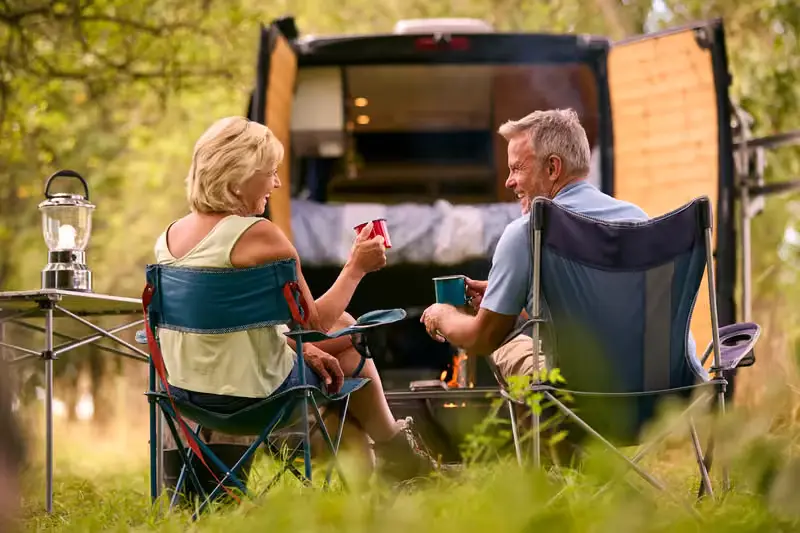
Outdoor living equipment can improve the experience. Folding chairs, compact tables, lighting, weather-resistant clothing, and suitable footwear make campsite activities more comfortable. However, pack according to available storage rather than bringing every possible item.
Managing Fuel, Utilities, Maintenance, and Travel Expenses
Motorhome holidays involve several costs beyond vehicle rental or ownership. Fuel, campsite fees, insurance, tolls, meals, maintenance, and equipment can all affect the total budget.
Fuel consumption depends on vehicle weight, engine type, driving speed, road gradients, and traffic conditions. Carrying unnecessary equipment can increase weight and fuel use. Pack carefully and avoid exceeding the permitted payload.
Compare fuel expenses across the planned route. Remote areas may have fewer filling stations, so travelers should avoid allowing the fuel level to become critically low. Driving smoothly and maintaining appropriate tire pressure can also support efficient fuel use.
Utility costs should be considered as well. Some campsites charge separately for electricity, showers, laundry, or waste services. Off-grid travel may reduce campsite expenses but require additional equipment and careful resource management.
Maintenance should not be treated as an optional expense. Check tire pressure, oil levels, lights, brakes, and other essential systems according to the manufacturer’s instructions. For rented vehicles, understand which maintenance responsibilities belong to the provider and how problems should be reported.
Keep a simple record of spending during the journey. Track fuel, campsite charges, groceries, activities, and unexpected purchases. This helps travelers understand where their money is going and adjust future spending.
A contingency fund is also valuable. Mechanical issues, replacement equipment, additional accommodation, and route changes can create unexpected costs. A realistic budget should account for these possibilities rather than assuming everything will go according to plan.
Making Outdoor Activities Part of the Journey
Outdoor activities give motorhome travel its sense of adventure. Instead of treating the campsite as only a place to sleep, travelers can use it as a base for exploring the surrounding environment.
Hiking is a natural choice for journeys through mountains, forests, and national parks. Select trails according to the group’s fitness, available time, and weather conditions. Carry suitable footwear, water, navigation equipment, and clothing.
Cycling can provide another way to explore nearby villages and scenic routes. Check whether the motorhome can carry bicycles safely and whether local roads are suitable for cycling. Kayaking, fishing, swimming, and wildlife observation may also be available near lakes, rivers, and coastal campsites.
Plan activities around driving schedules. Avoid arranging a demanding hike immediately after several hours on the road. Allow time to park, settle into the campsite, prepare equipment, and rest.
Respect local environmental guidelines. Keep a safe distance from wildlife, use designated trails, avoid disturbing vegetation, and take rubbish away when facilities are unavailable. Responsible behavior helps preserve natural areas for future visitors.
Handling Safety, Weather, and Unexpected Travel Challenges
Safety preparation should cover both the vehicle and the outdoor environment. Before each driving day, check tires, lights, mirrors, brakes, and any warning indicators. Secure loose objects inside the motorhome before moving.
Choose overnight parking locations carefully. Use authorized campsites or permitted stopovers and follow local rules. Park on stable ground, consider weather exposure, and avoid blocking access routes or emergency facilities.
Weather can change quickly, particularly in mountain and coastal areas. Heavy rain may create flooding risks, while strong winds can make driving difficult for high-sided vehicles. Extreme heat can affect vehicle systems and make indoor conditions uncomfortable. Check forecasts before travelling and adjust the route when necessary.
Prepare a basic emergency kit with a first-aid supply, warning equipment, flashlight, communication devices, and essential repair items. Keep breakdown assistance details and insurance information accessible.
If a mechanical problem occurs, move to a safe location where possible and follow the vehicle provider’s instructions. Do not attempt repairs beyond your ability. For rented motorhomes, contact the rental company or approved assistance service.
A flexible schedule is one of the strongest safety measures. If conditions become unsuitable, delaying departure or changing the destination is often better than continuing with a risky plan.
Conclusion
A rewarding motorhome holiday depends on combining the right vehicle, a realistic route, suitable campsites, and thoughtful preparation for outdoor living. Travelers should consider vehicle dimensions, road conditions, fuel availability, campsite facilities, and daily activity requirements before departure. Good organization also makes it easier to manage utilities, control expenses, and respond to unexpected challenges. A carefully designed motorhome and camping route plan should provide direction without removing flexibility. By preparing responsibly and adapting to changing conditions, travelers can enjoy greater independence, comfortable overnight stays, and memorable experiences in the outdoors.