

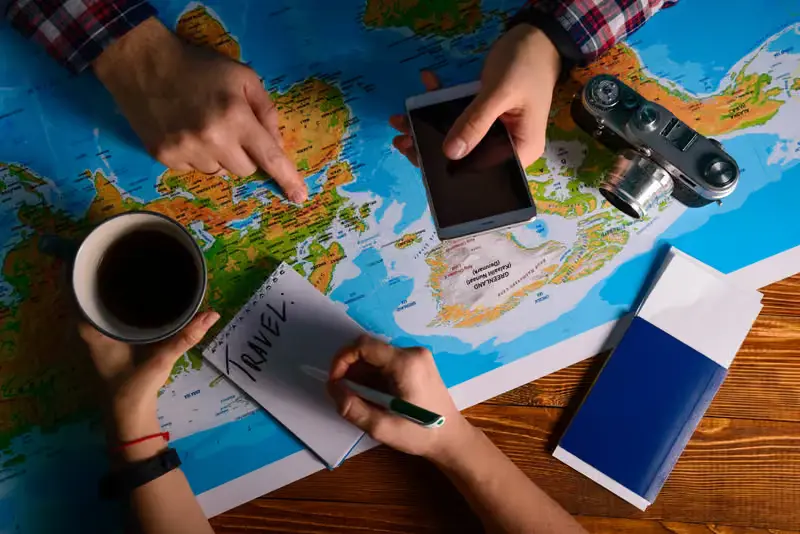
A successful vacation begins long before departure. Choosing an attractive destination is exciting, but turning that idea into a practical trip requires careful preparation. Travelers must consider their available time, financial limits, transportation options, accommodation, and planned activities. Small decisions can have a major effect on the overall experience. An inexpensive flight may involve costly baggage fees. A centrally located hotel may reduce transportation expenses. A tightly packed itinerary may create unnecessary stress. A thoughtful approach helps travelers balance experiences, comfort, and affordability. This vacation guide planning budget approach focuses on making informed decisions at every stage. It helps travelers organize essential details, control spending, and prepare for unexpected changes without losing sight of what makes a vacation enjoyable.
Define the Purpose and Priorities of Your Vacation
Start by deciding what you want from the trip. Some travelers want relaxation, while others prefer cultural exploration, outdoor activities, shopping, or family entertainment. The purpose influences nearly every planning decision. A beach holiday may require a different budget and schedule from a city break or a multi-destination road trip. Consider who will travel with you and what each person expects. Families may need convenient accommodation and child-friendly activities. Couples might prioritize privacy and dining experiences. Solo travelers may value flexible transportation and social opportunities.
Create a short list of essential experiences. These should be the activities or attractions that make the destination worthwhile. Separate them from optional experiences that can be removed if time or money becomes limited. This distinction prevents the itinerary from becoming overloaded. It also makes budgeting easier because you can allocate more money to the experiences that matter most.
Available time deserves equal attention. A three-day trip may not justify traveling across several cities. A longer vacation offers more flexibility but also increases accommodation and daily living costs. Consider the time needed for departure, arrival, transfers, and recovery from long journeys. Planning around realistic expectations creates a better balance between exploration and rest.
Research Destinations with Practical Travel Conditions in Mind
Destination research should go beyond attractive photographs and popular attractions. Look at the conditions that will shape your actual experience. Weather, seasonal demand, local transportation, safety, accommodation availability, and entry requirements all matter. A destination may appear affordable at first, but expensive local transport or high restaurant prices can increase the total cost. Compare destinations using their estimated overall expenses rather than flight prices alone.
Research local customs and practical requirements before making commitments. Some destinations have specific rules for visitors, including restrictions at religious sites, public spaces, or protected natural areas. Understanding these expectations helps avoid inconvenience. Also consider how easy it will be to access essential services, including pharmacies, medical facilities, supermarkets, and transport stations.
Choose the Right Travel Season
Travel timing can influence both cost and comfort. Peak seasons usually bring higher accommodation prices, crowded attractions, and limited availability. However, they may also offer better weather, extended opening hours, and seasonal events. Off-season travel can provide lower prices and quieter surroundings, but some attractions may operate with reduced schedules.
Shoulder seasons often provide a useful compromise. These periods fall between the busiest and quietest parts of the year. Travelers may find moderate prices, manageable crowds, and suitable weather. However, conditions differ between destinations. Research local climate patterns and event calendars before choosing dates.
Do not focus exclusively on the cheapest month. A low-cost trip can become less enjoyable if weather conditions prevent planned activities. Instead, compare the financial savings with the experiences available during each season.
Build a Realistic Travel Schedule
Your schedule should reflect actual travel times rather than ideal estimates. Airport transfers, security checks, traffic, public transport changes, and hotel check-in procedures can consume several hours. Allow enough time between major activities to handle delays without disrupting the entire day.
Group attractions according to location. Visiting nearby places together reduces unnecessary journeys and transport expenses. Avoid scheduling too many major activities on the same day. A balanced itinerary should include sightseeing, meals, breaks, and some unplanned time. This flexibility makes it easier to respond to changing weather or personal preferences.
Build a Vacation Budget That Reflects the Full Cost of Travel
A realistic budget is one of the most important parts of vacation planning. Begin by calculating how much you can comfortably spend without affecting essential financial responsibilities. Avoid building a plan around borrowed money or uncertain future income. Your spending limit should reflect available savings and the financial priorities that will continue after the trip.
Divide the budget into major categories. These generally include transportation, accommodation, meals, local travel, activities, travel insurance, documentation, and miscellaneous expenses. Estimate the cost of each category before confirming expensive reservations. Fixed expenses, such as prepaid accommodation, should be separated from flexible daily costs, such as meals and shopping.
The vacation guide planning budget process should also account for the number of travelers and the length of the stay. A family of four will have different accommodation, food, and transport requirements from a solo traveler. Similarly, a longer trip may reduce the average daily cost of transportation but increase total accommodation expenses.
Use realistic estimates rather than the lowest prices you can find. Check typical restaurant costs, public transport fares, attraction admission fees, and airport transfers. If the estimated total exceeds your spending limit, adjust the destination, dates, accommodation, or activity list before booking. It is easier to make changes during the planning stage than after paying non-refundable deposits.
Identify Hidden Expenses Before They Become Problems
Advertised prices rarely represent the complete cost of travel. Flights may exclude checked baggage or seat selection. Hotels may add resort fees, local taxes, or parking charges. Rental vehicles can involve insurance costs, fuel expenses, deposits, and additional driver fees.
Small purchases also accumulate. Airport meals, bottled water, tips, souvenirs, laundry, and local snacks can gradually increase daily spending. Currency conversion charges and international payment fees may add another layer of expense. Review payment conditions and additional charges before confirming reservations.
Create a separate allowance for these smaller costs. Tracking them throughout the trip helps identify spending patterns before they become difficult to manage. A simple daily spending limit can provide structure without requiring travelers to monitor every purchase constantly.
Create an Emergency and Flexibility Fund
Unexpected expenses are part of travel. A missed connection, medical appointment, damaged luggage, or sudden accommodation change can affect the budget. A contingency fund provides protection against these situations. Its size should depend on the destination, trip length, available transport options, and personal circumstances.
Keep emergency money separate from ordinary spending funds. Do not treat it as extra shopping or entertainment money. It should remain available for genuine disruptions. Travelers should also understand their insurance coverage, including exclusions, claim requirements, and emergency assistance arrangements. Insurance does not replace careful planning, but appropriate coverage can reduce the financial impact of certain unexpected events.
Compare Booking Options and Manage Major Reservations
Once the destination and budget are clear, compare the main booking options. Look at flights, trains, buses, rental vehicles, accommodation, and package deals. The cheapest advertised option is not always the best value. A flight with inconvenient departure times may require an extra hotel night. A distant hotel may appear affordable but create higher daily transport costs.
Compare the complete price and conditions of each option. For accommodation, consider location, breakfast, cleaning fees, cancellation rules, and check-in times. For transportation, review baggage allowances, transfer requirements, seat selection, and change fees. Package deals may offer convenience, but travelers should check which services are included and whether the itinerary allows enough flexibility.
Pay particular attention to cancellation policies. Flexible bookings may cost more initially, but they can be valuable when travel plans are uncertain. Non-refundable options may suit travelers with confirmed schedules and stable arrangements. Keep confirmation emails, payment records, and booking references in one organized folder. Before completing a reservation, verify names, dates, destinations, and passenger details carefully. Correcting errors later can be expensive.
Organize Transportation, Documents, and Local Travel Arrangements
Transportation planning should cover the entire journey, not just the main flight or train ticket. Consider how you will reach the departure point, travel from the arrival station, and move between accommodation and attractions. Airport transfers deserve particular attention. Public transport may be economical, but it may not operate throughout the night. A prearranged transfer can be useful when arriving late or carrying substantial luggage.
Research local transport systems before departure. Understand ticket options, payment methods, operating hours, and route connections. In some destinations, daily or weekly travel passes can reduce costs. In others, walking between nearby attractions may be the simplest option. Travelers renting vehicles should check driving requirements, insurance conditions, parking availability, and local road rules.
Documentation is equally important. Check passport validity and visa requirements well in advance. Some destinations require additional documents, proof of accommodation, return travel details, or specific entry permissions. Requirements can change, so verify the rules that apply to your nationality and travel dates.
Keep digital copies of important documents, but do not depend entirely on internet access. Save essential confirmations and travel information for offline use. A separate physical copy of key details can provide an additional backup. Travel insurance information and emergency contacts should also be easy to access.
Prepare an Itinerary That Leaves Room for Discovery
An effective itinerary provides direction without controlling every minute. Start by listing the experiences you consider essential. Check their opening hours, ticket requirements, location, and expected visit duration. Some popular attractions require advance reservations, particularly during busy periods. Confirming these details can prevent disappointment and help you organize the rest of the day.
Arrange activities by neighborhood or geographical area. This reduces repeated journeys and gives you more time to explore. Leave gaps between major commitments for meals, rest, shopping, and unexpected discoveries. A flexible afternoon can become an opportunity to visit a local market, explore a quiet street, or spend more time at an attraction you enjoy.
Avoid confusing a packed itinerary with a successful vacation. Too many scheduled activities can create fatigue and increase spending on transport and meals. Consider the energy levels of everyone traveling. Children, older adults, and people with accessibility requirements may need additional breaks and convenient routes.
Prepare alternatives for weather-dependent activities. If rain interrupts an outdoor excursion, having an indoor option can save the day. Keep essential reservations and addresses accessible so changes can be made quickly. A strong itinerary supports memorable experiences while allowing room for real-life conditions.
Use Technology and Simple Systems to Stay Organized
Digital tools can simplify many parts of vacation planning. Budgeting applications help record expenses and compare spending against planned limits. Mapping tools support route planning and help identify nearby services. Translation applications can make everyday communication easier, while travel alerts provide information about transport disruptions and schedule changes.
Keep reservations, tickets, insurance details, and important documents in a clearly organized digital folder. Use descriptive file names so you can find information quickly. Download maps and essential travel details before entering areas with limited mobile coverage. A fully digital approach can become inconvenient if your phone battery runs out or connectivity disappears.
Protect your devices and personal information. Use secure screen locks, avoid accessing sensitive accounts through unfamiliar public networks, and be cautious with unexpected messages about bookings or payments. Enable appropriate account security features before departure. Carry a power bank where permitted and keep important contact details available offline.
Technology should support the trip rather than dominate it. A simple system for tracking bookings, expenses, and daily plans is often enough. Choose tools that are easy to maintain and avoid creating unnecessary administrative work.
Review Your Plan Before Departure
A final review can identify problems while there is still time to correct them. Confirm transportation bookings, accommodation dates, arrival instructions, and activity reservations. Check passport and visa requirements again. Review baggage limits and make sure essential items are packed. Keep medication, travel documents, and valuables in suitable accessible storage.
Check the weather forecast and local travel updates shortly before leaving. Conditions may affect road access, flights, outdoor activities, or local transport. Confirm how you will reach your accommodation and whether late arrival procedures are available. Share relevant itinerary information with a trusted person when appropriate.
Review your remaining budget as well. Confirm that emergency funds are separate and that you have suitable payment methods for the destination. Consider carrying more than one secure payment option in case a card is lost or declined. A prepared traveler is not someone who predicts every problem. It is someone who has practical alternatives when plans change.
Conclusion
A rewarding vacation depends on more than choosing an appealing destination. It requires realistic budgeting, careful research, reliable reservations, and well-organized travel logistics. Defining priorities helps travelers spend money on experiences that matter. Comparing seasonal conditions and booking options can improve value, while an emergency fund provides flexibility when unexpected expenses arise. A balanced itinerary and simple digital organization also reduce unnecessary stress. By following a practical vacation guide planning budget approach, travelers can make informed decisions before departure and adapt more confidently along the way. Good preparation creates room to enjoy the journey rather than worrying about every detail.