

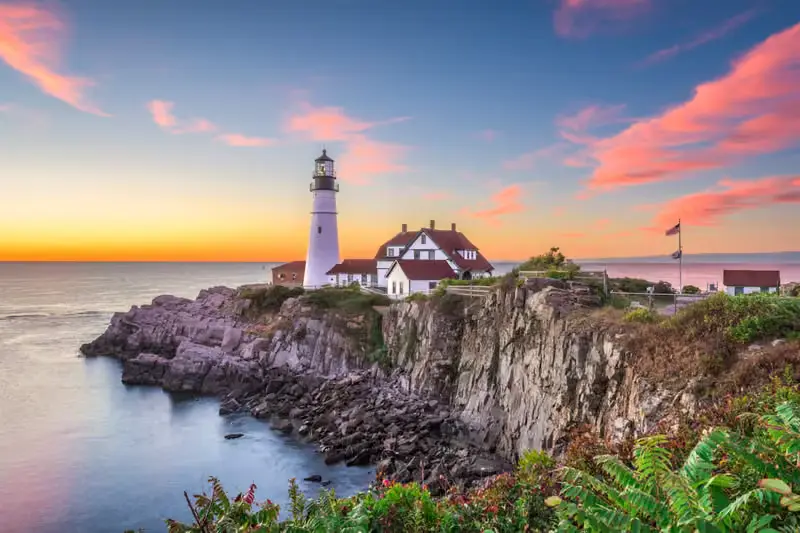
The United States offers an extraordinary range of vacation experiences. Travelers can explore dramatic mountain landscapes, relax beside warm coastal waters, discover historic cities, or drive through scenic regions that seem to stretch endlessly. Each destination offers a different way to experience the country’s natural beauty, culture, and history. This variety makes choosing between U.S. vacation spots both exciting and challenging. A successful trip begins with understanding what each destination offers and how it fits personal interests, available time, and travel expectations. Some visitors prefer outdoor adventures and quiet surroundings. Others want beach activities, famous attractions, and lively urban experiences. Many travelers combine several interests into one itinerary. National parks, coastal escapes, and historic landmarks provide a useful starting point for planning. With thoughtful preparation, visitors can build a vacation that balances exploration, relaxation, and meaningful experiences.
National Parks That Showcase America’s Natural Beauty
America’s national parks protect some of the country’s most remarkable landscapes. They include deep canyons, ancient forests, volcanic features, wetlands, glaciers, and mountain ranges. These destinations attract hikers, photographers, wildlife enthusiasts, and travelers who simply want to spend time outdoors. However, each park has different conditions and requires a suitable approach. Understanding the landscape, travel distances, weather, and available activities helps visitors make better decisions.
Dramatic Landscapes of the Western United States
The western United States contains several famous national parks. Grand Canyon National Park in Arizona is known for its enormous canyon system and layered rock formations. Visitors can admire the landscape from viewpoints, follow established hiking routes, or experience the Colorado River environment. The scale of the canyon can be difficult to understand from photographs alone. Spending time at different viewpoints helps reveal how light and distance change its appearance throughout the day.
Yellowstone National Park, which extends across parts of Wyoming, Montana, and Idaho, offers a different experience. Its geothermal features include hot springs, geysers, and bubbling mud pools. The park also contains forests, rivers, lakes, and open grasslands. Wildlife viewing is another major attraction. Visitors may encounter bison, elk, and other animals in their natural environment. Maintaining a safe distance from wildlife is essential, even when animals appear calm.
Yosemite National Park in California is famous for granite cliffs, waterfalls, giant sequoias, and mountain scenery. Its valley provides accessible views of several iconic natural features, while more challenging trails lead into quieter areas. Travelers should consider their fitness levels before selecting hikes. Weather, elevation, trail conditions, and seasonal water levels can significantly influence the experience.
These parks are spread across large distances, so combining them requires realistic planning. A traveler should avoid treating every major park as a quick stop. Spending enough time in one location often creates a more rewarding experience than rushing between several destinations.
Wilderness Experiences in the East and South
The eastern and southern United States offer landscapes that differ from the dramatic deserts and mountains of the West. Great Smoky Mountains National Park, located along the Tennessee and North Carolina border, is known for forested mountains, misty valleys, waterfalls, and diverse plant life. Its scenic roads and hiking trails appeal to visitors with different experience levels. Autumn attracts travelers interested in changing leaf colors, although popular areas can become crowded during peak foliage periods.
Everglades National Park in Florida protects a large wetland ecosystem with mangrove forests, freshwater habitats, and distinctive wildlife. Visitors can explore designated trails, join guided excursions, or experience parts of the park by boat. The environment is very different from a traditional mountain park. Heat, humidity, insects, and seasonal rainfall should influence preparation.
When selecting a national park, travelers should look beyond famous viewpoints. Consider available trails, visitor facilities, accessibility, wildlife guidance, and the amount of time needed to explore safely. A destination becomes more enjoyable when its activities match the visitor’s interests and physical abilities.
Coastal Retreats for Relaxation and Ocean Adventures
Coastal destinations offer another major category of U.S. vacation experiences. They combine scenic beaches, marine activities, seafood, waterfront communities, and opportunities to slow down. Some locations are suited to peaceful relaxation, while others offer energetic nightlife and outdoor adventures. Choosing the right coastline depends on the type of atmosphere and activities a traveler wants.
Florida’s Keys and Gulf Coast are popular for warm weather, clear waters, boating, fishing, and beach activities. The Florida Keys provide a distinctive island atmosphere, with opportunities for snorkeling and exploring marine environments. Gulf Coast communities offer sandy beaches and family-friendly attractions. Visitors should consider seasonal weather conditions, particularly during hurricane season, when travel plans may need greater flexibility.
California’s coastline offers a different combination of experiences. Travelers can explore rugged cliffs, sandy beaches, coastal towns, and scenic driving routes. Areas around Big Sur are especially recognized for dramatic ocean views and winding roads. Southern California offers beach communities with a more urban atmosphere, while northern coastal areas can feel quieter and cooler. Visitors should allow enough time for scenic stops rather than treating coastal routes as simple transportation corridors.
Hawaii provides tropical landscapes, volcanic scenery, beaches, and distinctive local culture. Each island has its own character. Some areas are known for resort experiences, while others attract visitors interested in hiking, surfing, marine activities, and natural landscapes. Travelers should research island-specific transportation and accommodation options before choosing where to stay.
Coastal vacations require more planning than simply selecting a beach. Visitors should consider water conditions, local regulations, transportation, accommodation costs, and environmental protection. Popular beaches may become crowded during holidays, while quieter locations may have fewer facilities. Choosing a base that matches the planned activities can reduce unnecessary travel and improve the overall experience.
Famous Landmarks That Connect Visitors With American History
Landmarks help travelers understand the historical and cultural development of the United States. They provide context for important events, national symbols, architecture, and social change. Visiting these places can add depth to a vacation, especially when combined with museums, historic neighborhoods, and guided experiences.
Historic Sites and National Monuments
The Statue of Liberty in New York Harbor is one of America’s most recognizable symbols. It represents freedom and has a strong connection to immigration history. Visitors can experience views of the monument from nearby areas or arrange access to specific sections when available. Because it attracts large numbers of tourists, advance planning can help reduce waiting time.
Washington, D.C., offers an impressive collection of national monuments and museums. The National Mall connects several important memorials and government-related landmarks. Visitors can explore monuments dedicated to presidents, military service members, and major moments in American history. The surrounding museums provide additional context through exhibitions and educational displays.
Independence Hall in Philadelphia is another significant historic destination. It is closely associated with the Declaration of Independence and the development of the United States Constitution. The building and its surrounding historic district help visitors understand the country’s early political foundations.
Travelers interested in history should avoid visiting landmarks without understanding their significance. Reading introductory information or joining a guided tour can make the experience more meaningful. It is also useful to group nearby attractions together, particularly in cities where walking between sites is practical.
Recognizable Urban and Architectural Attractions
Some landmarks represent the identity and development of modern American cities. The Golden Gate Bridge in San Francisco is known for its distinctive design and position across the bay. Visitors can appreciate it from waterfront viewpoints, nearby parks, or designated pedestrian areas. Weather conditions can affect visibility, so flexible timing is helpful.
Seattle’s Space Needle provides a recognizable view of the city’s skyline and surrounding landscape. Its observation areas offer a perspective on the urban environment, with views that may include nearby water and mountain scenery when conditions allow.
Urban landmarks are often surrounded by other attractions. Visitors can combine architectural sites with local neighborhoods, markets, museums, and restaurants. This approach creates a fuller experience than visiting one famous structure and immediately moving to another destination.
Choosing Destinations Based on the Type of Vacation You Want
The best U.S. vacation spots are not necessarily the most famous ones. They are the places that match a traveler’s priorities. Before booking accommodation or transportation, define the main purpose of the trip. This simple step can prevent an itinerary from becoming overcrowded.
Nature-focused travelers may prefer national parks, mountain towns, and scenic outdoor routes. These destinations work well for hiking, photography, wildlife observation, and peaceful surroundings. However, they may require rental vehicles, longer driving times, and advance preparation.
Families may prioritize destinations with accessible attractions, convenient accommodation, and activities suitable for different ages. Coastal communities, major cities, and national parks with established visitor facilities can offer a useful balance. Parents should consider walking distances, rest opportunities, weather, and the availability of child-friendly activities.
Couples may prefer coastal retreats, scenic drives, historic towns, or destinations with a slower pace. Travelers interested in culture and education may focus on museums, architectural landmarks, historic districts, and major cities.
Budget also influences destination selection. Large cities and popular resort areas can involve higher accommodation and transportation costs. Smaller communities may offer better value, although they can have fewer services. A realistic budget should include meals, local transportation, attraction fees, parking, and unexpected expenses rather than accommodation alone.
Connecting Multiple U.S. Destinations Through Regional Itineraries
Travelers with more time can combine several destinations into one regional itinerary. This approach makes it possible to experience different landscapes without crossing the entire country repeatedly. The key is to build routes around geographic proximity and realistic travel times.
A Southwest itinerary could include Grand Canyon National Park, nearby desert landscapes, and selected destinations in Arizona and Utah. This type of journey suits travelers interested in dramatic scenery, photography, and outdoor exploration. Distances between attractions can still be substantial, so overnight stops should be planned carefully.
A California route could combine San Francisco, coastal communities, and selected national parks. Visitors might experience urban landmarks, ocean scenery, and mountain landscapes during the same vacation. However, coastal driving times and park access conditions should be checked before finalizing the schedule.
Florida offers another regional option. Travelers can combine coastal destinations, the Florida Keys, and selected attractions around the southern part of the state. This route can balance beach relaxation with outdoor activities and city experiences.
The most effective itinerary usually has one or two main priorities. Trying to visit every famous attraction can create unnecessary pressure. Instead, allow enough time for meals, rest, unexpected discoveries, and changes in weather. A flexible schedule often produces better memories than a tightly packed list of stops.
Understanding Travel Seasons, Access, and Visitor Conditions
Seasonality can strongly influence the quality and cost of a U.S. vacation. The same destination may offer very different experiences depending on the month. National parks can have snow, limited road access, or restricted services during colder periods. Summer may provide broader access but also bring higher temperatures and larger crowds.
Coastal destinations are influenced by water temperatures, storm risks, and seasonal tourism patterns. Florida and other southeastern coastal areas require particular attention to tropical weather forecasts during hurricane season. Hawaii and California also have regional weather patterns that can affect outdoor activities.
Spring and autumn can be attractive periods for exploring many destinations. Temperatures may be more comfortable, and some locations experience fewer visitors than during peak summer holidays. However, conditions vary by region. Travelers should research the specific destination rather than assuming that one season is ideal across the entire country.
Accessibility is another important consideration. Some parks have limited public transportation, while remote coastal areas may require a rental vehicle. Urban landmarks may be easier to reach through public transit or walking. Visitors should also check whether trails, viewpoints, visitor centers, and attractions are suitable for their mobility requirements.
Before departure, review official park information, transportation updates, weather forecasts, and any reservation requirements. This preparation is especially important for popular destinations and activities with limited capacity.
Practical Planning for a Smooth U.S. Vacation
A well-organized vacation begins with a clear travel plan. Start by deciding how many days are available and selecting destinations that can reasonably fit within that period. Research transportation options before booking accommodation. A route that looks short on a map may involve mountain roads, traffic, construction, or limited services.
Accommodation should be selected according to the daily itinerary. Staying near a national park entrance can reduce early morning driving, while an urban hotel near public transportation may make city exploration easier. Coastal travelers should compare beach access, parking, and local transport rather than focusing only on room prices.
Budget planning should include both fixed and flexible expenses. Flights, accommodation, rental vehicles, fuel, meals, and attraction fees form the basic cost structure. Additional money should be reserved for unexpected changes, medical needs, or transportation delays. Booking major travel arrangements early may provide more choices, although flexible reservations can be valuable when plans depend on weather.
Packing should reflect the destination. National park visitors may need suitable footwear, layered clothing, sun protection, reusable water containers, and basic emergency supplies. Coastal travelers may need swimwear, lightweight clothing, and protection from strong sunlight. City visitors should consider comfortable walking shoes and clothing appropriate for local weather.
Responsible travel is equally important. Follow marked trails, respect wildlife, avoid leaving waste, and observe local rules. In coastal areas, visitors should avoid disturbing marine habitats and follow safety guidance around water. Respecting local communities and cultural sites helps protect the places that make travel meaningful.
Finally, build flexibility into the schedule. Delays, changing weather, and unexpected opportunities are normal parts of travel. A realistic itinerary should make room for adjustments without sacrificing the main purpose of the trip.
Conclusion
The variety of U.S. vacation spots makes the country suitable for many different travel styles. National parks offer remarkable natural scenery and outdoor adventures. Coastal destinations provide opportunities for relaxation, water activities, and scenic exploration. Historic landmarks connect visitors with the events and architecture that shaped the nation. The best vacation combines destinations that match personal interests, available time, and budget. Careful regional planning, seasonal research, and responsible travel habits can make the experience smoother and more rewarding. Rather than trying to see everything in one journey, focus on a few meaningful places and give each destination enough time. This approach creates a more balanced vacation and leaves room for memorable discoveries along the way.