

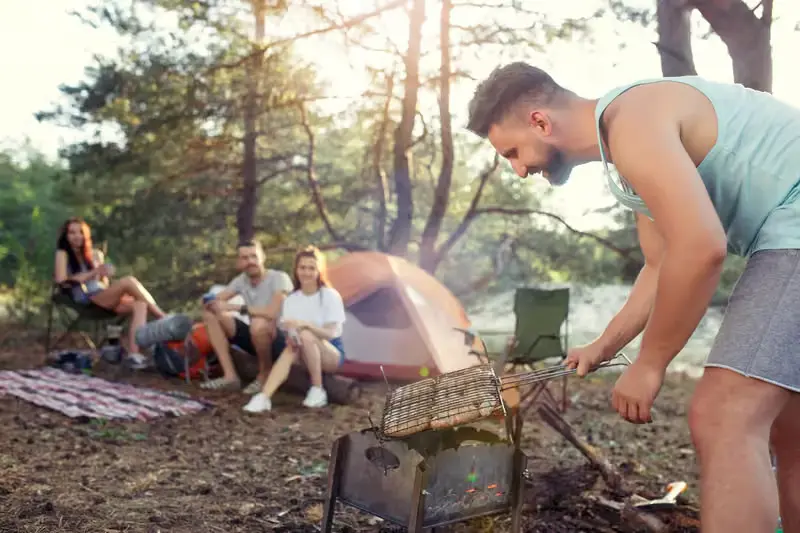
Summer camping offers a chance to enjoy fresh air, explore natural landscapes, and take a break from busy routines. However, a successful trip requires more than choosing a scenic destination and packing a tent. The campsite itself can influence sleep quality, comfort, safety, and the overall experience. A poorly positioned tent may become unbearably hot by midday. A site near a busy road can disturb quiet evenings. Limited water access can also create problems during high temperatures. Careful planning helps prevent these issues. By understanding site conditions, booking strategically, preparing for changing weather, and following responsible fire practices, campers can make better decisions before arriving. These summer campsite selection hacks can help turn an ordinary outdoor trip into a comfortable and well-organized adventure.
Understanding What Makes a Summer Campsite Worth Booking
A good summer campsite should offer a practical balance of comfort, accessibility, safety, and natural surroundings. A beautiful view is attractive, but it should not be the only factor behind a booking decision. Campers should consider how the site will function throughout the day and night. Sun exposure, ground conditions, nearby facilities, and access routes can all affect the experience. Start by identifying the needs of everyone joining the trip. Families with young children may prioritize clean restrooms, drinking water, and convenient access to facilities. Experienced campers may prefer quieter locations with fewer services. Matching the campsite to the group’s expectations makes planning more effective.
Evaluate Shade, Ground Conditions, and Natural Ventilation
Shade is especially valuable during summer. A campsite with suitable tree cover can reduce direct sunlight and help keep tents and outdoor seating areas cooler. However, campers should observe how the sun moves during the day. A site that looks shaded in the morning may receive intense afternoon sunlight. Natural shade should also be assessed carefully. Avoid pitching tents beneath dead branches, unstable trees, or damaged limbs that could fall during strong winds. Ground conditions matter just as much. Choose a reasonably level surface that drains well after rain. Avoid depressions where water may collect and areas with exposed roots or sharp stones. Slightly elevated ground can help reduce the risk of water entering the tent. Ventilation is another important consideration. Open surroundings can improve airflow, but exposed sites may experience strong gusts. Look for a location that offers a sensible balance between fresh air and natural protection.
Match Campsite Facilities to Your Travel Style
Facilities can make a major difference, particularly during longer summer trips. Developed campgrounds often provide toilets, showers, drinking water, waste disposal points, and designated cooking areas. These services can make camping easier for beginners and families. Basic campsites offer fewer conveniences but may provide greater privacy and a stronger connection with nature. Remote camping areas require more independent preparation. Campers may need to carry water, manage waste responsibly, and plan for limited emergency access. Before booking, check which facilities are actually available during your travel dates. Seasonal maintenance can affect showers, water stations, and other services. Do not assume that advertised amenities will always be operational. A campsite that suits your travel style will reduce unnecessary inconvenience.
Applying Smart Site Selection Hacks Before Arrival
Good campsite selection begins before the journey. Online photographs can help identify attractive locations, but they rarely show every practical detail. Use campground maps to understand the layout and compare individual pitches. Check the distance between your preferred site and toilets, water points, roads, playgrounds, and communal cooking areas. Being close to facilities can save time, but being directly beside them may mean more noise and foot traffic. Recent visitor reviews can reveal useful information about drainage, insects, shade, maintenance, and crowd levels. Pay attention to comments from people who visited during similar weather conditions. Their experiences may be more relevant than general ratings.
One of the most useful summer campsite selection hacks is to consider the entire daily environment rather than judging a location at one moment. Think about where the sun will fall during the hottest hours. Check whether nearby vegetation provides shade without creating hazards. Consider whether the site is close to standing water, which may attract insects. Also assess the route from the parking area. Carrying equipment across a long distance can become difficult in extreme heat. If possible, contact the campground to clarify details that photographs and maps do not explain. Ask about pitch dimensions, vehicle access, water availability, and restrictions. These small checks can prevent costly mistakes and improve the quality of the stay.
Reservation Strategies for Securing Popular Summer Campsites
Popular campgrounds can become fully booked well before summer begins. School holidays, public holidays, and weekends often create strong demand. Waiting until the last minute may leave travelers with expensive alternatives or inconvenient locations. A better approach is to research destinations early and understand their reservation systems. Identify when booking windows open and whether sites are released several months in advance. Some campgrounds use fixed opening dates, while others make reservations available on a rolling schedule. Knowing the system allows travelers to prepare instead of competing at the last moment.
Before making a reservation, compare the total cost rather than looking only at the nightly rate. Some locations charge additional fees for vehicles, extra guests, pets, or facility access. Check minimum-stay requirements and arrival deadlines. Review cancellation and modification policies carefully. A low-cost booking may become less attractive if changes are expensive or refunds are limited. Keep confirmation details accessible and verify the selected dates, pitch type, and guest information. A small booking error can create unnecessary stress after a long journey.
Use Booking Windows and Cancellation Opportunities
Reservation timing can provide a major advantage. Create reminders for the dates when preferred campgrounds release their summer inventory. If a booking platform allows accounts to be created in advance, complete the required details before reservations open. This reduces delays during busy booking periods. However, preparation should not turn into rushed decision-making. Review the site description and rules before confirming payment.
Cancellations can create another opportunity. Travelers sometimes change plans, making previously reserved pitches available again. Check official reservation platforms periodically and use legitimate notification features where offered. Avoid relying on unofficial sellers or private messages promising guaranteed access to sold-out sites. These arrangements may involve invalid reservations or payment risks. Always confirm that a booking is recorded through the campground’s recognized system.
Choose Flexible Dates and Alternative Locations
Flexibility can make summer camping more affordable and easier to arrange. Weekday stays may offer better availability than Friday and Saturday nights. Traveling outside school holiday periods can also reduce competition. If the preferred campground is fully booked, explore nearby alternatives. A less famous location may provide better privacy, easier access, or more suitable facilities. Compare driving distance, local attractions, water access, and campground conditions before deciding. It is also useful to prepare a backup destination before departure. This approach prevents travelers from making rushed choices when plans change.
Preparing for Heat, Weather Changes, and Outdoor Conditions
Summer weather can be unpredictable. High daytime temperatures may be followed by cool nights, sudden rain, or strong winds. Campers should check the forecast before leaving and continue monitoring conditions during the trip. A single forecast should not be treated as a guarantee, especially in mountainous or coastal areas where conditions can change quickly. Pack equipment that suits the expected temperature range. A tent with adequate ventilation can improve comfort, while breathable sleeping bags or lightweight bedding help prevent overheating. Keep ventilation openings clear and use suitable shade where permitted.
Hydration deserves particular attention. Carry enough drinking water for the journey and the planned activities. Do not assume that every campground has a reliable water supply. If using a natural water source, treat it with an appropriate filtration or purification method before drinking. Plan outdoor activities around the weather. Walking, cycling, and other strenuous activities are often more comfortable during cooler morning or evening hours. Take breaks in shaded areas and use sunscreen, hats, and suitable clothing to reduce sun exposure. Children and older adults may need more frequent rest and hydration reminders.
Food storage also requires careful planning. Heat can increase the risk of food spoilage, especially when coolers are opened frequently. Use insulated containers, keep perishable items properly chilled, and separate raw food from ready-to-eat meals. Store food securely to discourage wildlife from approaching the campsite. Never leave food waste scattered around the pitch. These precautions protect both campers and the surrounding environment.
Building a Safe and Responsible Campfire
A campfire can create a welcoming atmosphere, provide warmth, and support outdoor cooking. However, it also introduces serious risks during dry summer conditions. Before lighting anything, check local fire restrictions and campground regulations. Some areas prohibit open fires during droughts, heatwaves, or periods of high wildfire danger. Others allow fires only in designated rings or approved cooking equipment. A fire should never be treated as an essential part of the camping experience. If conditions are unsafe or restrictions are in place, choose a permitted alternative.
When fires are allowed, use an established fire ring or designated area. Keep it away from tents, dry grass, low branches, vehicles, and stored equipment. Clear loose combustible material from the immediate surroundings where permitted. Use only approved fuel, such as suitable untreated firewood. Do not burn rubbish, plastic, or treated timber. Avoid collecting wood from protected areas or damaging living trees. Keep the fire small and manageable. A larger fire does not necessarily provide better cooking or warmth, but it can become harder to control.
Follow Safe Fire Preparation and Supervision Practices
Never leave a campfire unattended, even for a short period. Wind can carry sparks beyond the fire ring and ignite nearby vegetation. Keep water and appropriate fire-extinguishing equipment close enough to use immediately. Adults should supervise the fire continuously, while children and pets should remain at a safe distance. Establish clear boundaries so younger campers understand where they can and cannot play.
Avoid using petrol, alcohol, or other accelerants to start or increase a fire. These substances can cause sudden flare-ups and serious injuries. Use approved fire-starting materials instead. Keep loose clothing, paper products, and camping equipment away from flames. When cooking, use suitable utensils and stable cookware. A designated cooking surface can help prevent accidental contact with hot materials. If the wind becomes strong or conditions deteriorate, stop using the fire and follow the campground’s safety instructions.
Extinguish Every Fire Completely
Putting out a fire requires more than allowing the flames to disappear. Hot embers can remain dangerous long after visible flames have gone. Follow the campground’s instructions for extinguishing fires. Where water is permitted, apply it carefully and stir the remaining material to expose hidden embers. Continue checking until the ashes and surrounding material are completely cool. Never bury hot coals or leave glowing pieces behind. If you can still feel heat, the fire is not ready to be left unattended. Allow enough time for this process before departure or bedtime. A properly extinguished fire protects the campsite, nearby wildlife, and other visitors.
Protecting the Campsite and Minimizing Environmental Impact
Responsible camping means leaving the natural area in good condition. Use established paths and avoid trampling vegetation around the pitch. Dispose of rubbish in designated containers or carry it out when facilities are unavailable. Food scraps should not be left behind, even when they appear biodegradable. They can attract wildlife and change animal feeding behavior. Store food, cooking supplies, and scented products according to local wildlife guidance. In areas with bears or other large animals, approved food-storage systems may be mandatory.
Noise is another important consideration. Keep music and conversations at reasonable levels, particularly during quiet hours. Respect neighboring campers and avoid entering occupied pitches without permission. Use toilets and washing facilities properly, and follow local rules for wastewater disposal. Campers should also avoid disturbing wildlife for photographs or entertainment. Watching animals from a safe distance is better for both visitors and wildlife. Following Leave No Trace principles helps protect natural spaces and ensures that future campers can enjoy them.
Creating a Practical Checklist for a Comfortable Summer Stay
A well-organized checklist makes preparation easier and reduces the chance of forgetting important supplies. Start with shelter and sleeping equipment. Include a suitable tent, groundsheet, sleeping arrangements, and repair materials. Add lighting, spare batteries, a power bank, and basic tools. Cooking supplies should include permitted equipment, utensils, food containers, and cleaning materials. Pack enough drinking water or a suitable treatment system based on the destination.
Personal items also deserve attention. Bring sunscreen, insect protection, suitable clothing, hats, and comfortable footwear. A first-aid kit should include basic supplies for minor injuries and any personal essentials needed by members of the group. Keep emergency contact details, reservation confirmations, campground rules, and navigation information accessible. Download important maps in advance if mobile coverage may be unreliable.
Before departure, check the equipment rather than assuming everything works. Test lights, inspect tent fabric, confirm that cooking equipment is safe, and review weather conditions. Verify the booking and arrival instructions. If traveling with children, explain basic campsite boundaries and fire safety rules before reaching the destination. This final review can prevent avoidable problems and make the first day more relaxed.
Conclusion
A rewarding summer camping trip begins with informed decisions. Choosing a site with suitable shade, stable ground, good drainage, and practical facilities can improve comfort throughout the stay. Early reservations, flexible travel dates, and backup options make it easier to secure a suitable location. Weather preparation, safe food storage, and proper hydration help campers manage challenging outdoor conditions. Responsible campfire practices and respect for the natural environment are equally important. The most effective summer campsite selection hacks are not complicated tricks. They are practical habits that combine preparation, flexibility, and awareness. With the right planning, campers can enjoy a safer, more comfortable, and more memorable summer adventure.